Galápagos · Expedition cruise
Eight Days in the Galápagos: The Least Luxurious Trip I Have Taken, and the Most
Day eight in the Galápagos; I fly home in the morning. These were the least luxurious eight days I have traveled, and the most. No Aman, no Michelin stars, no spa, no champagne tower. But —
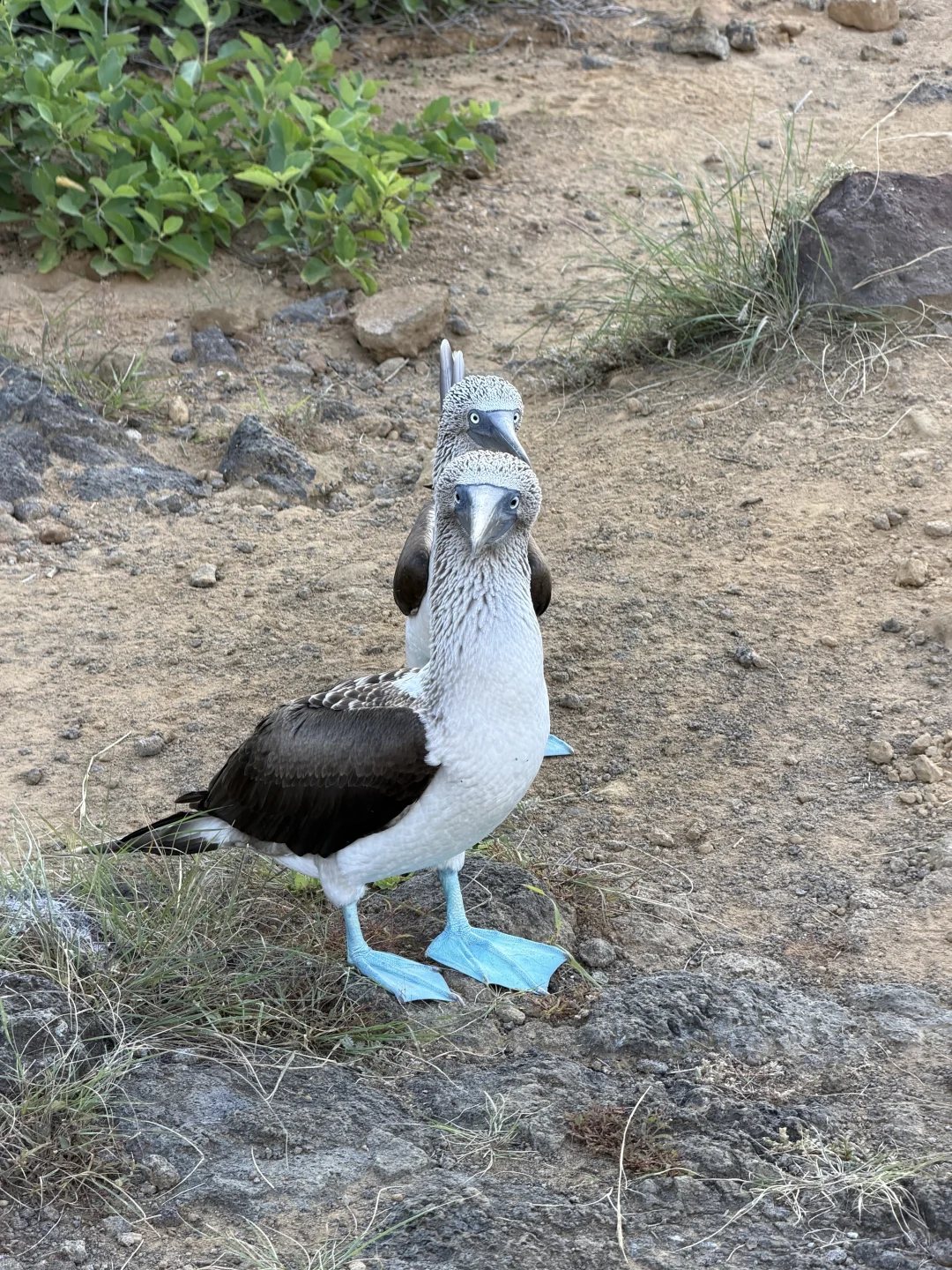
- A blue-footed booby did its courtship dance in front of me
- A yellow land iguana chewed cactus beside my feet
- A 100-year-old tortoise looked up at me, once
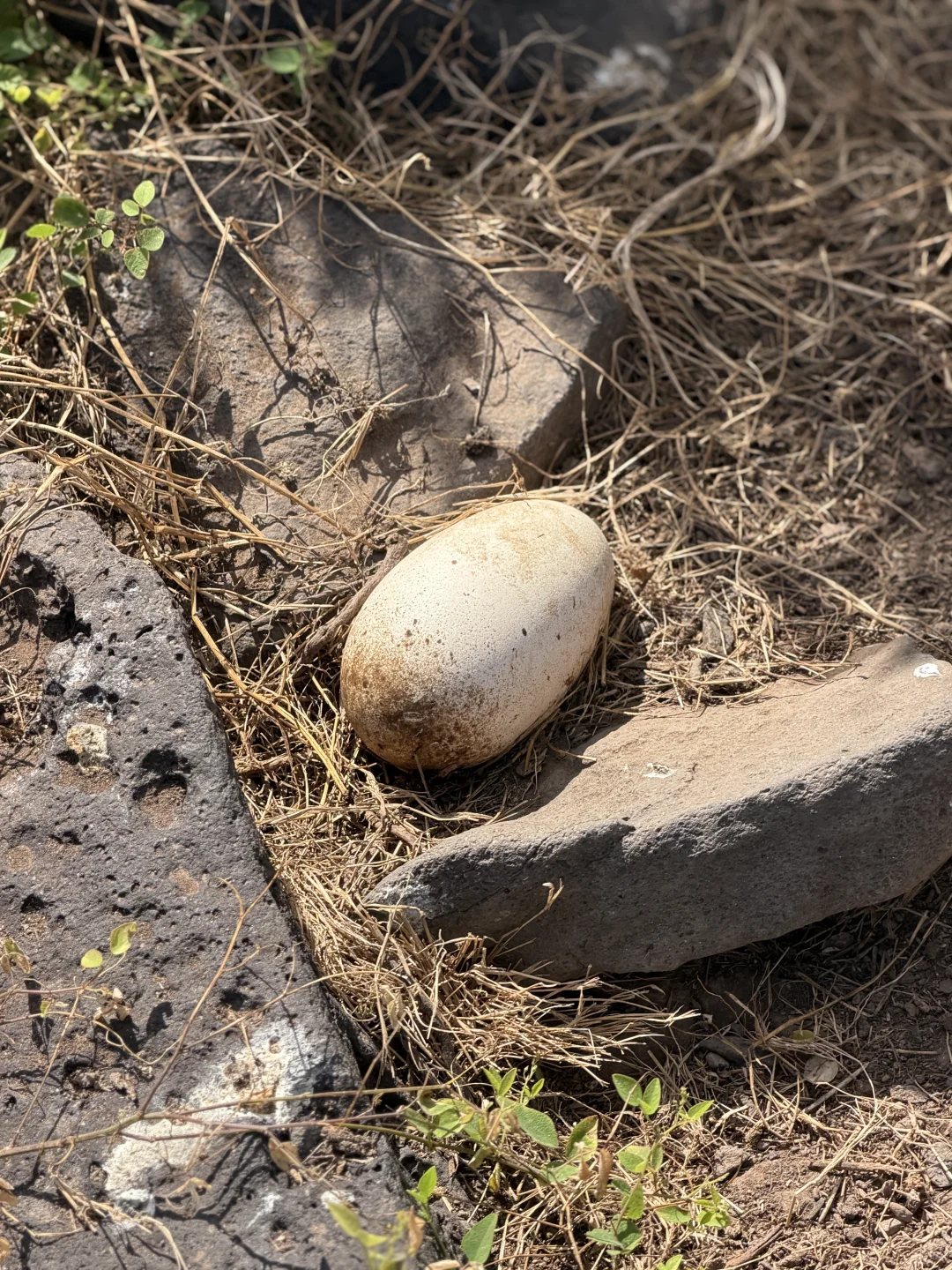
- I saw the single egg an albatross lays each year
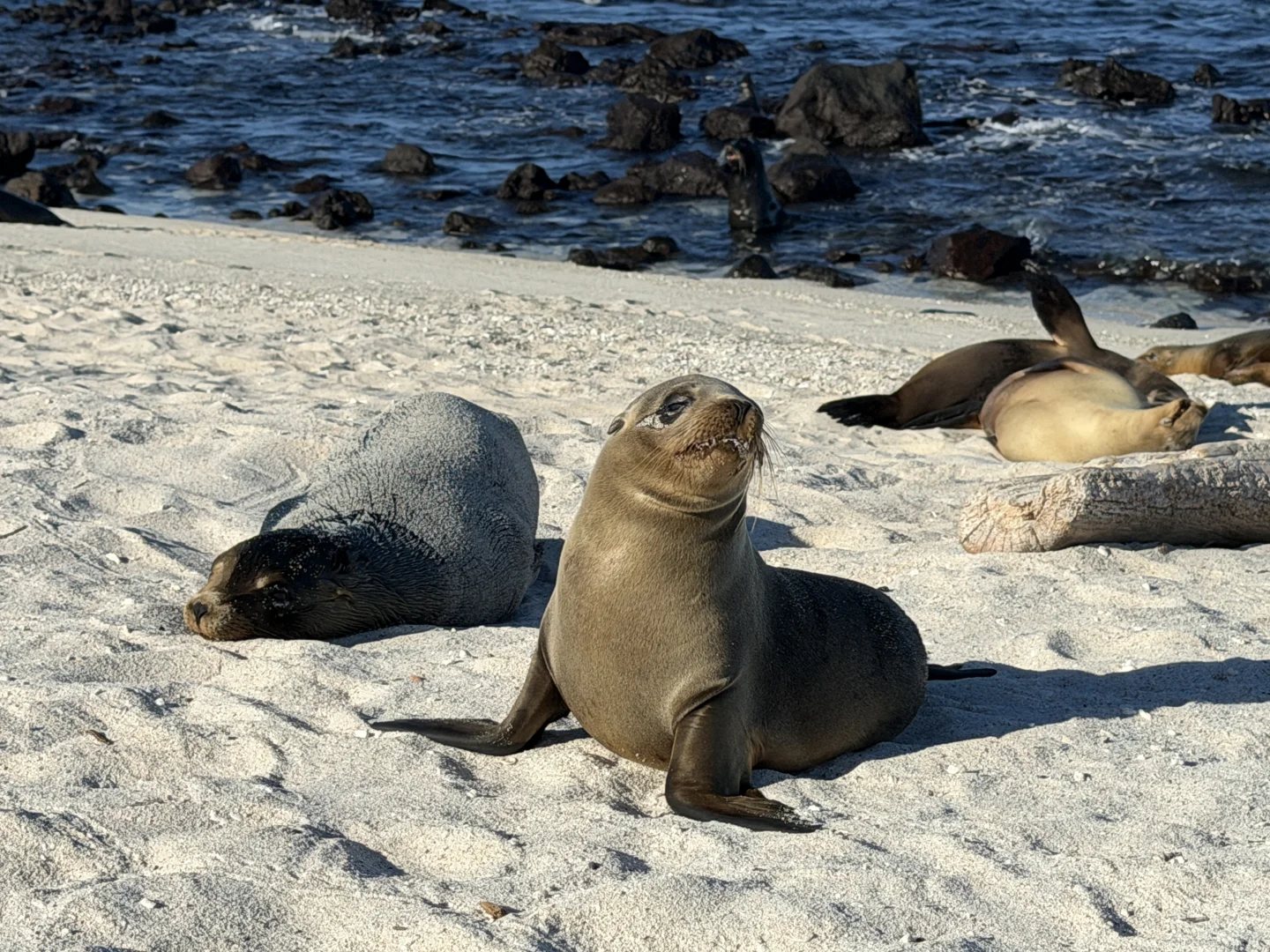
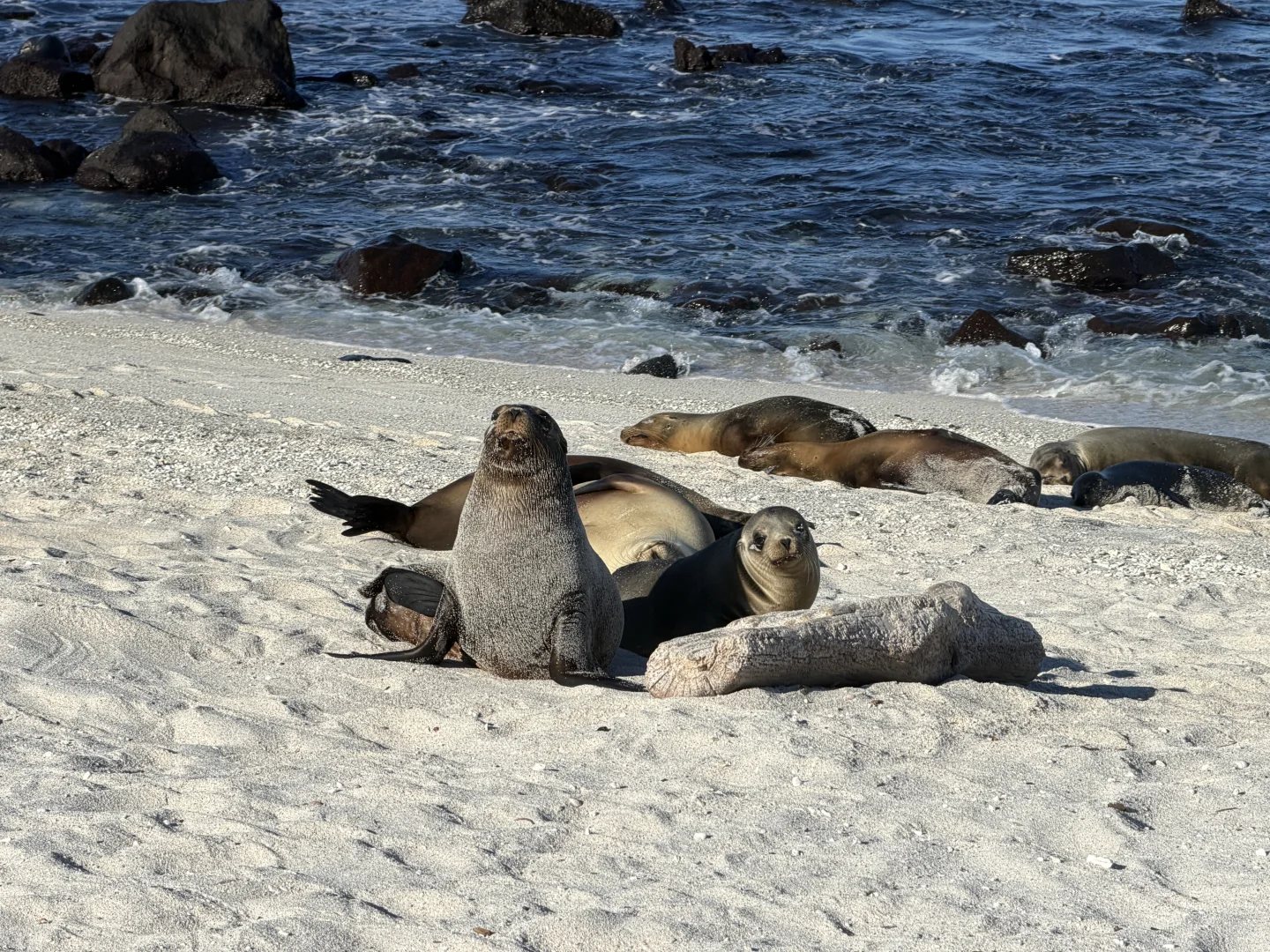
- A sea lion swam up to within a foot of my face
- A red-footed booby watched me from a branch
- Hundreds of tropical fish circled me
I counted. Of the animals I saw in those eight days, seven exist nowhere else on Earth.
Days 1–2: face to face with the animals
I cannot describe the Galápagos well. The closest I can get: this is what Earth must have looked like before we made a mess of it.
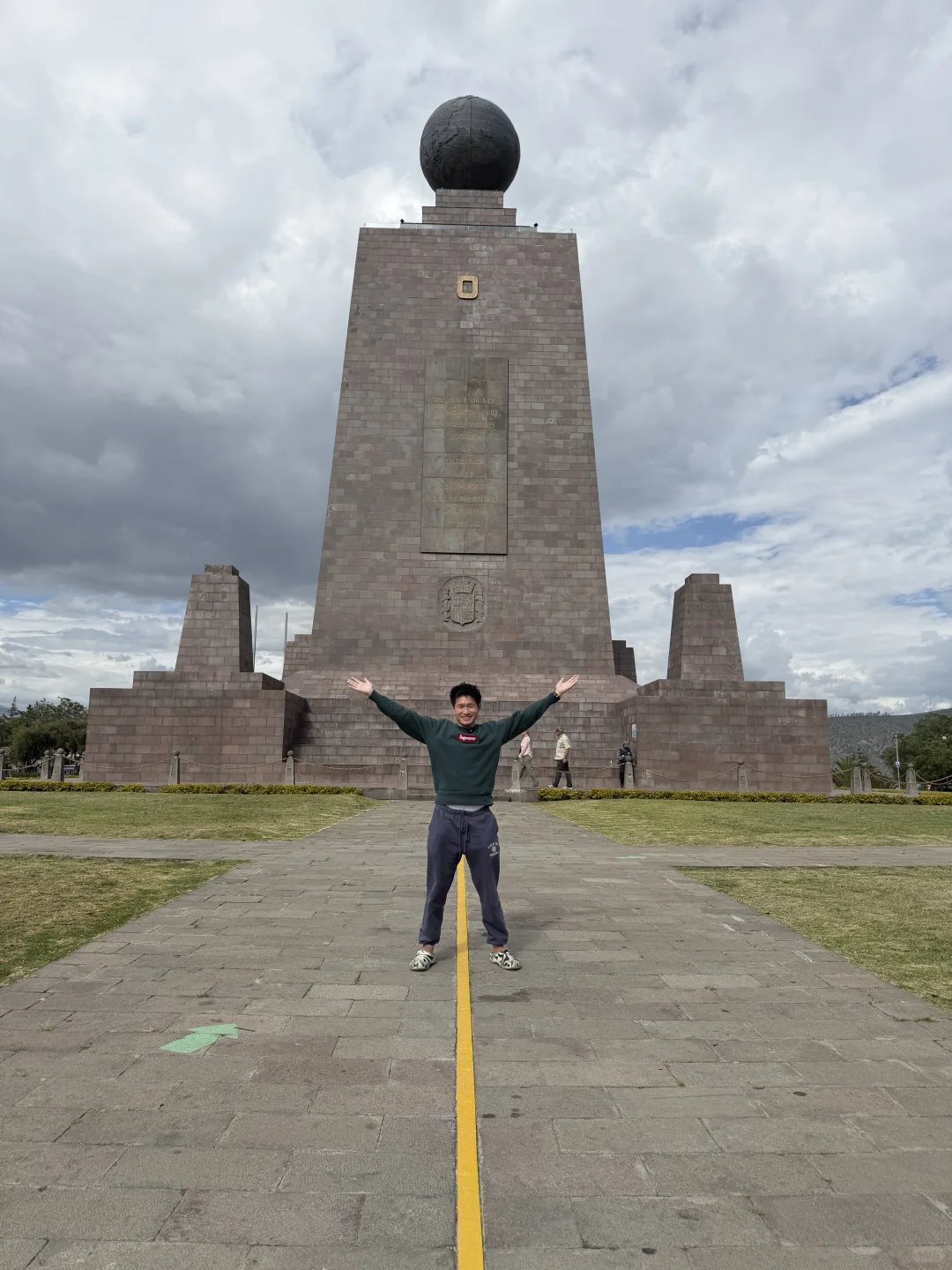
Day one was Quito, at 9,350 feet, with clouds at eye level. On the way we stopped at the Middle of the World monument — one foot in each hemisphere.
Day two was the real shock. We landed on an island at dawn and the first thing to greet us was a sea lion, sprawled across the middle of the boardwalk. It rolled over and went on snoring. The guide whispered: just step around, it’s dreaming. I stepped over it from a foot away. It did not open its eyes.
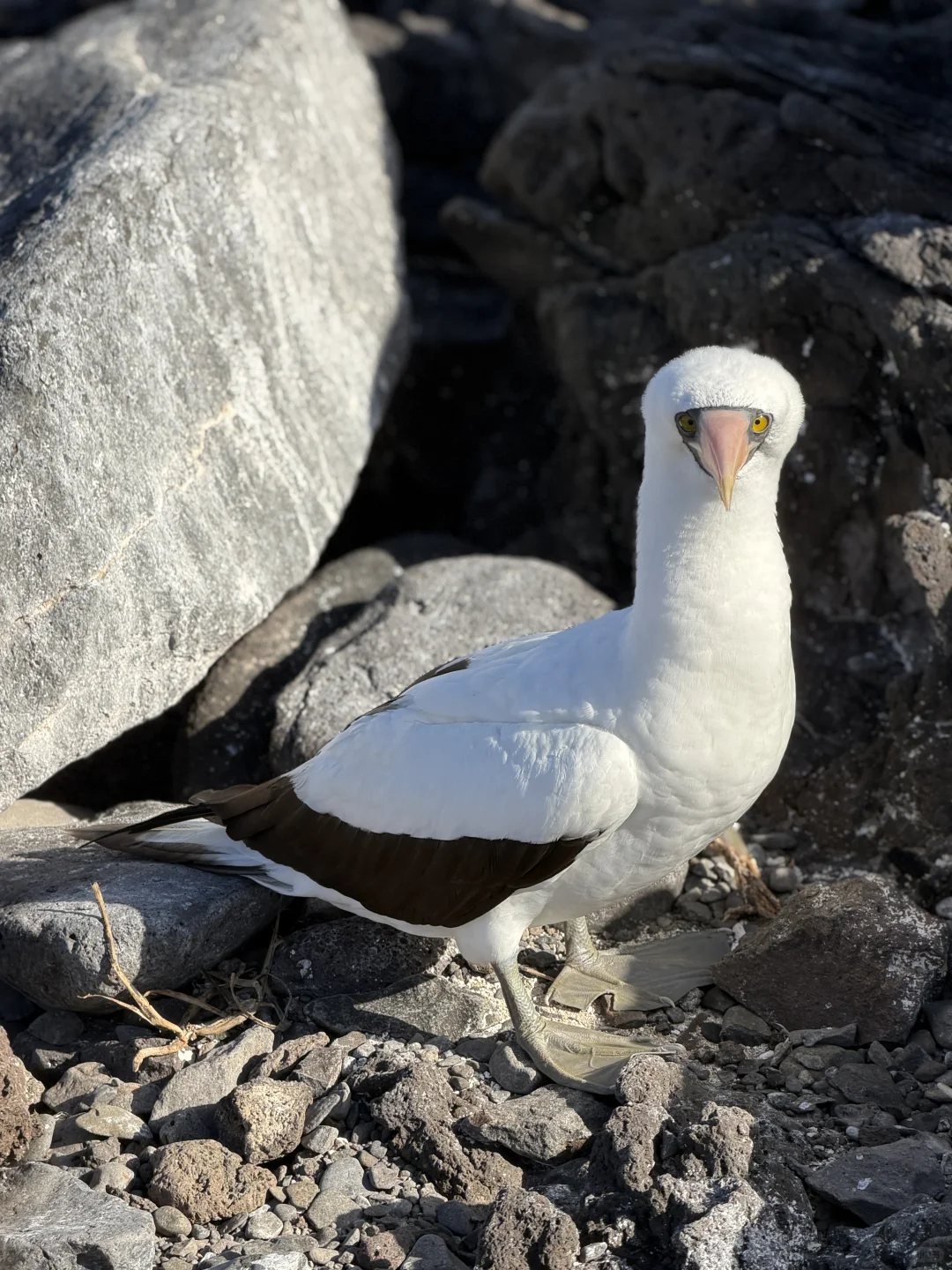
Two steps on, a blue-footed booby on a rock. The blue is genuinely Tiffany blue — not the copywriter’s kind, the kind that stops you. It looked down at its feet, lifted one, set it down, lifted the other. Courtship, the guide said; the brighter the blue, the better the odds.
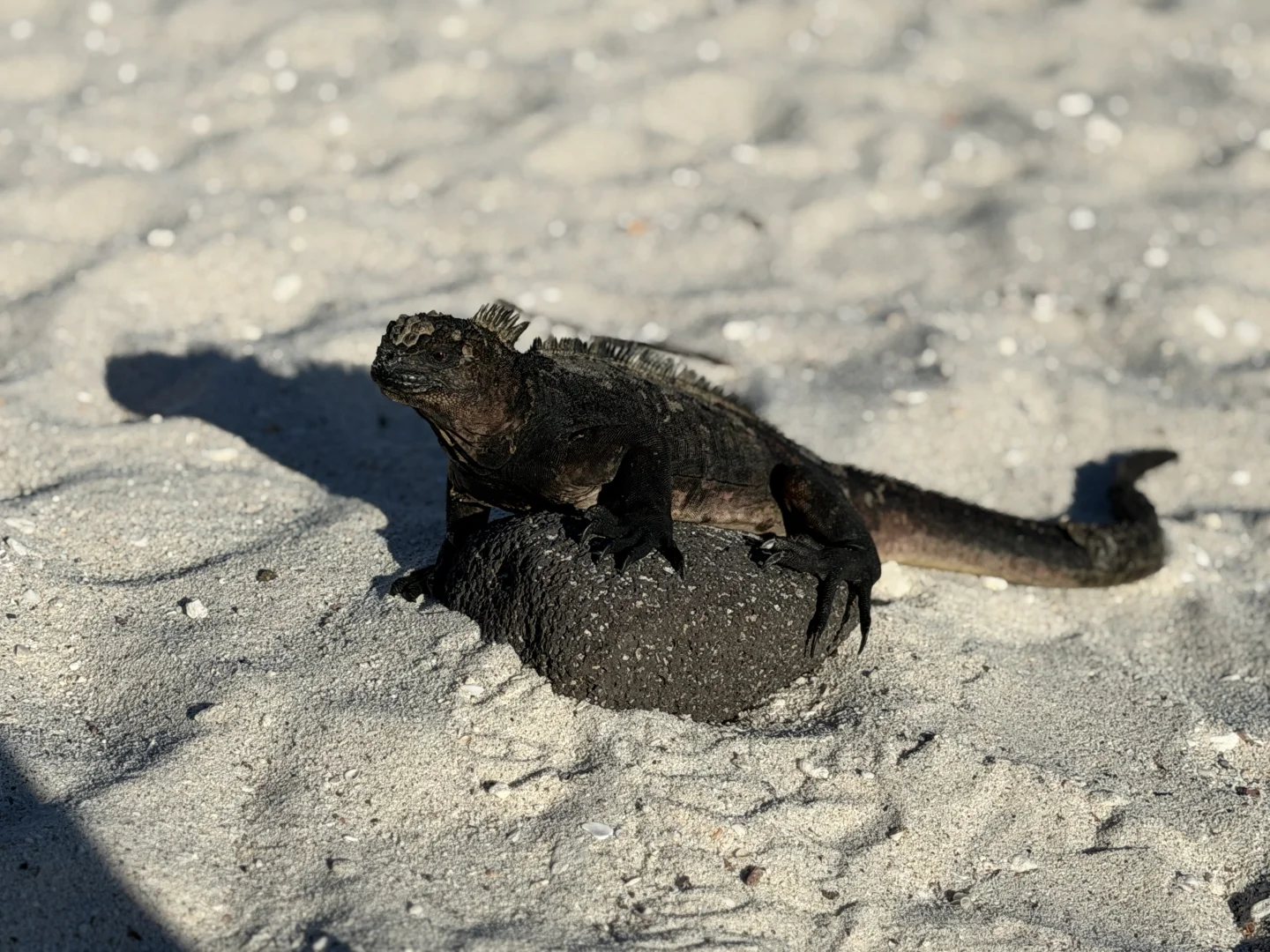
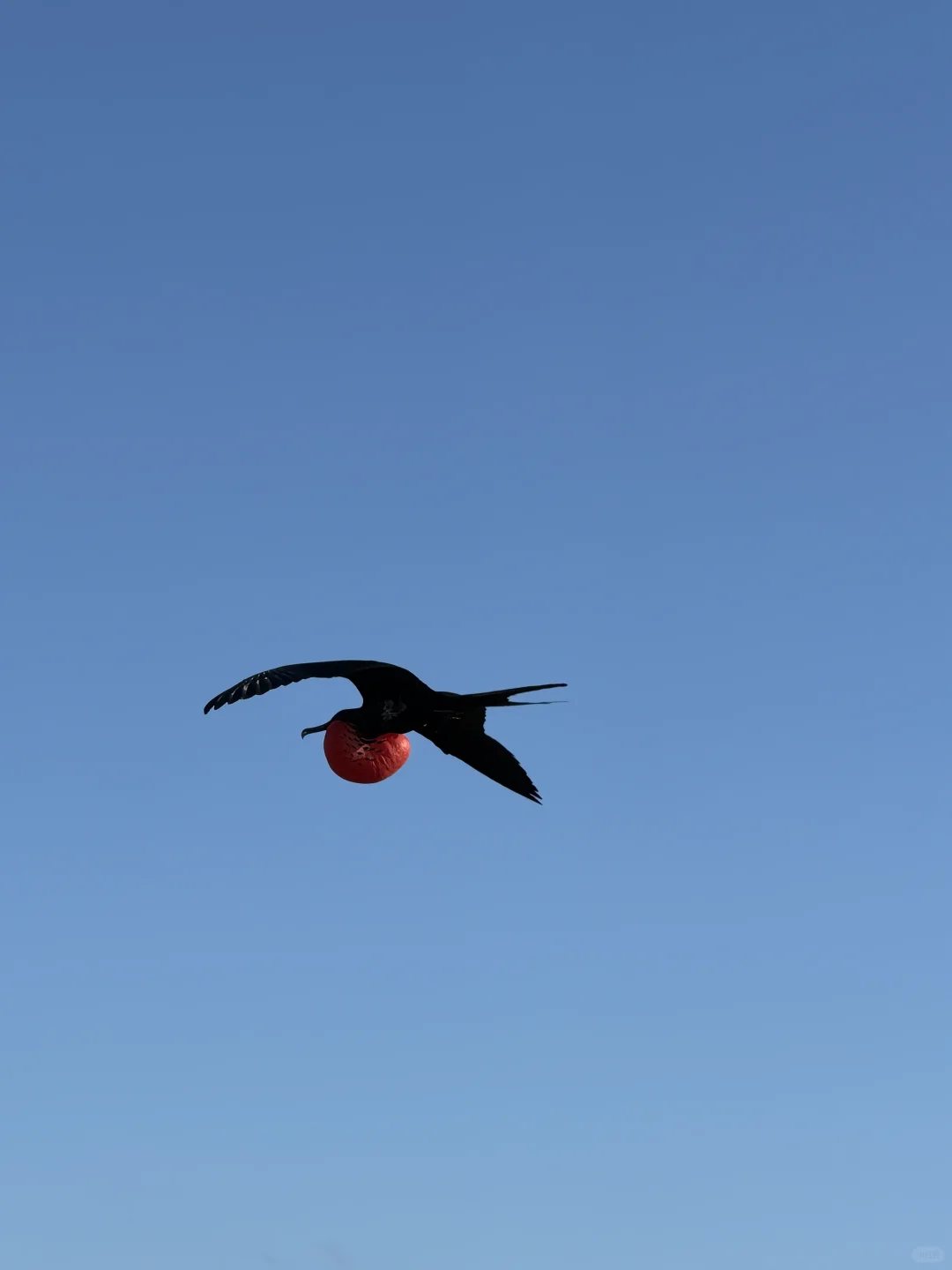
Two more steps, a red-footed booby: red as if it had just been pulled from a can of tomatoes, perched on top of a cactus, feathers blown open by the wind.
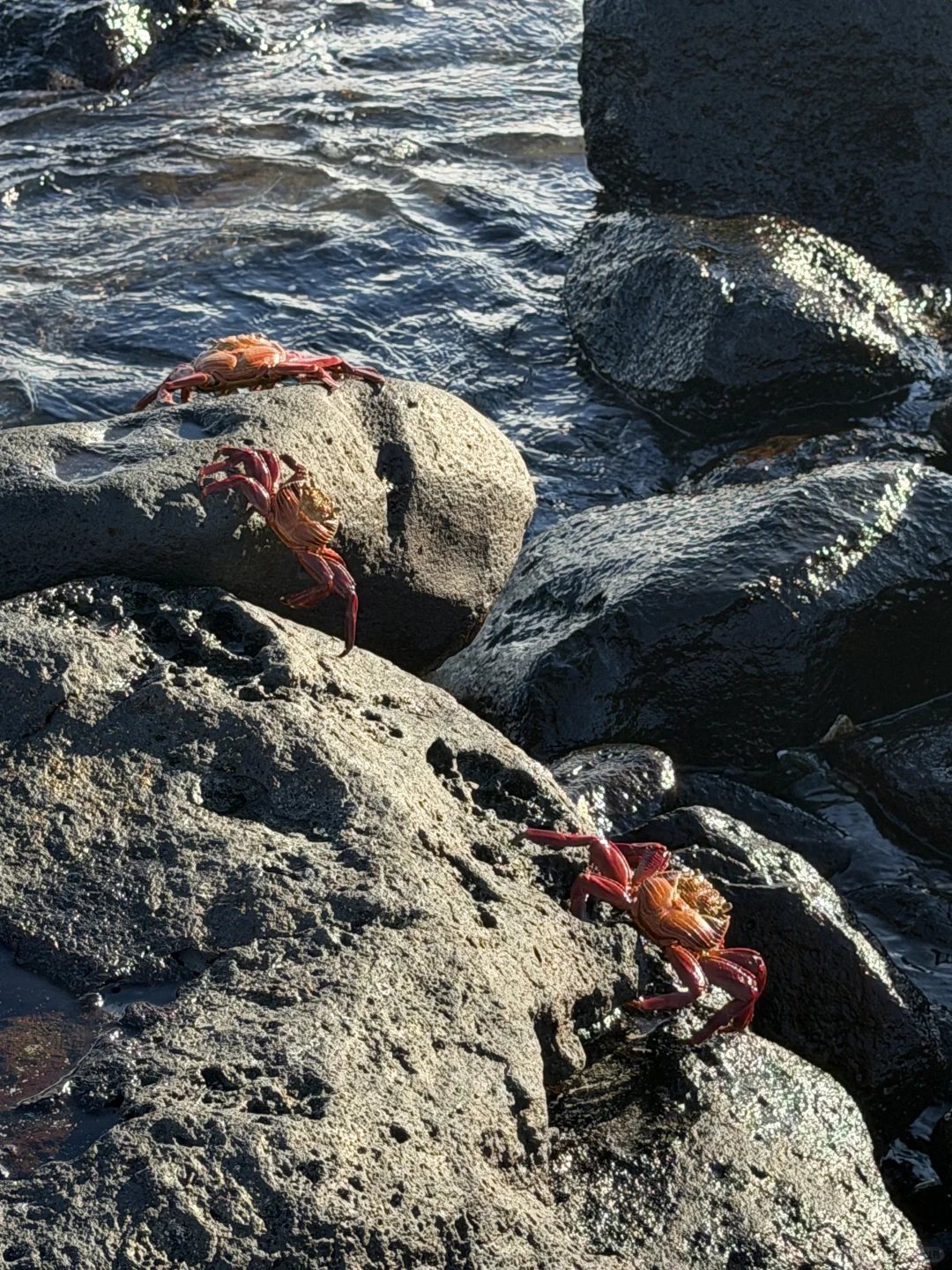
What left me speechless is that nothing here hides from people. When Darwin stepped onto these islands in 1835, this is how they were. Nearly two hundred years on, they still trust us. We are among the few guests this planet has forgiven.
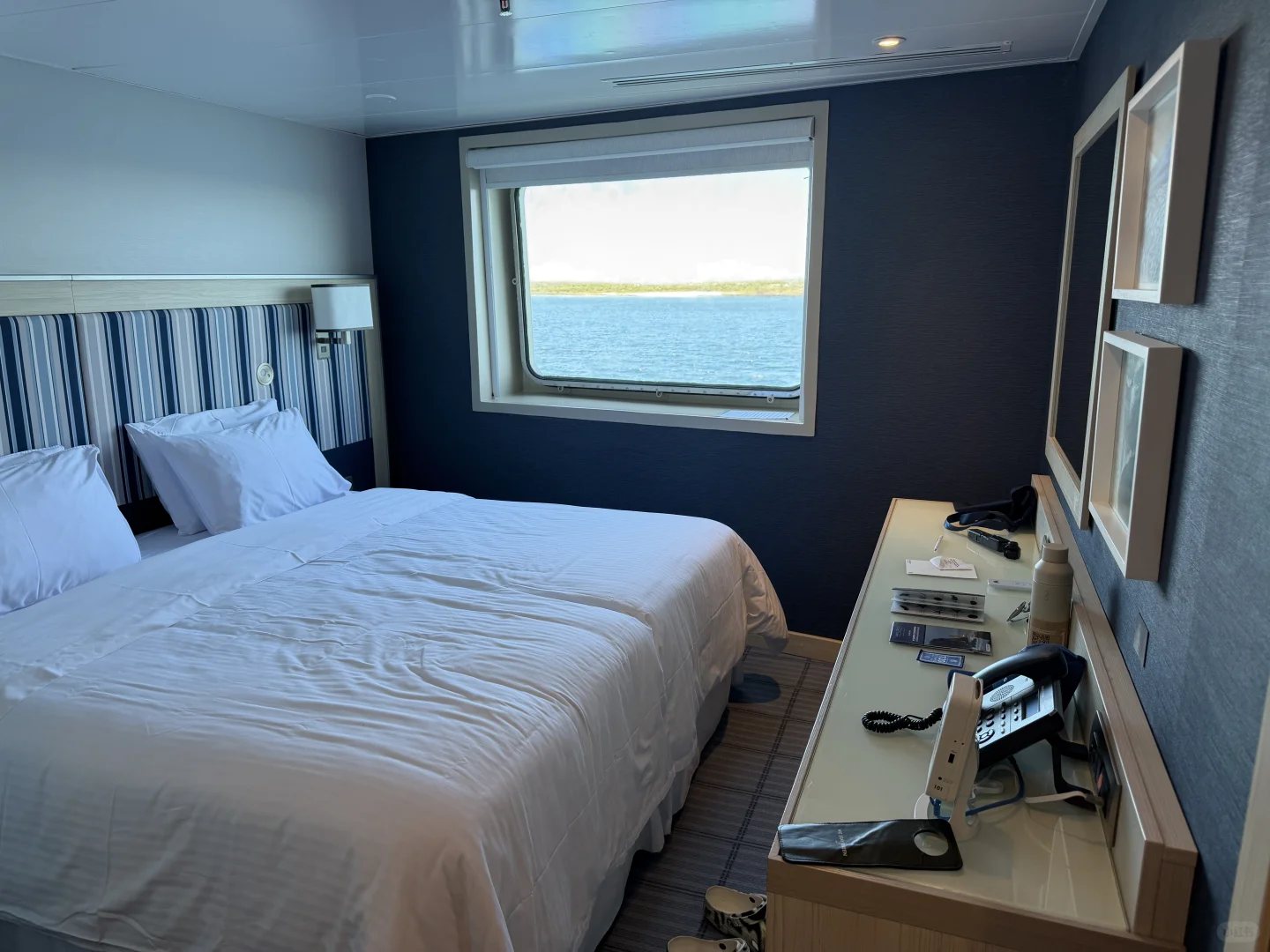
Day 3: the only 24 square kilometers on Earth where it lives
The morning was Santa Fé. The island has one iguana, the Santa Fe land iguana, Conolophus pallidus, a subspecies found nowhere but this one 24-square-kilometer island. The whole population may be under 6,000.
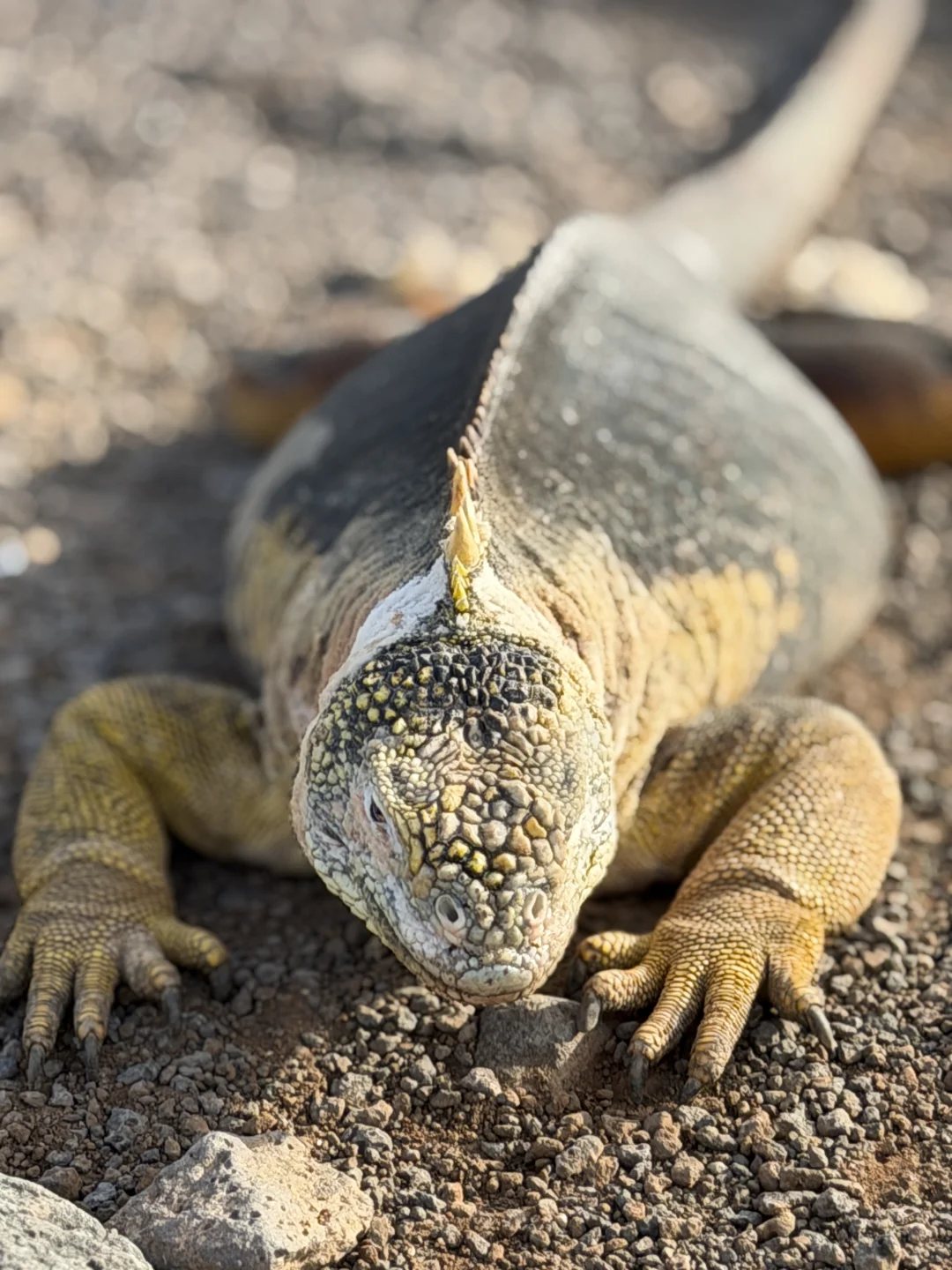
A yellow body, an orange-red throat, and a side-to-side swagger when it walks. It has no predators here and eats only cactus fruit and pads. I crouched six feet in front of it; it never raised its head, just kept working on the leaf.
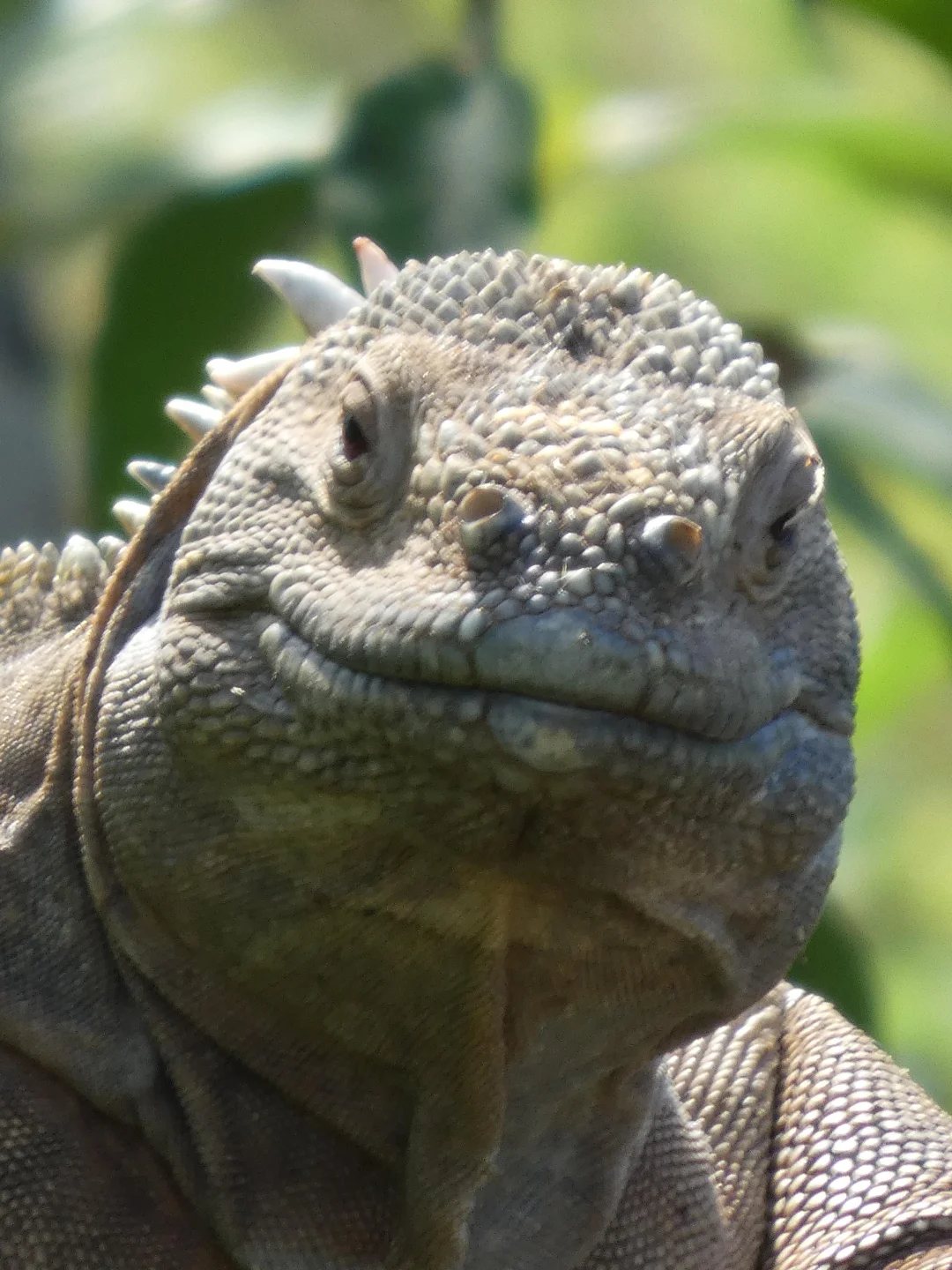
That is the most striking thing about the Galápagos. Not that you see rare animals — that the rare animals could not care less about you. There are 1,064 species of lizard on Earth. One you can crouch beside and hold eye contact with for five minutes, I have only met here.
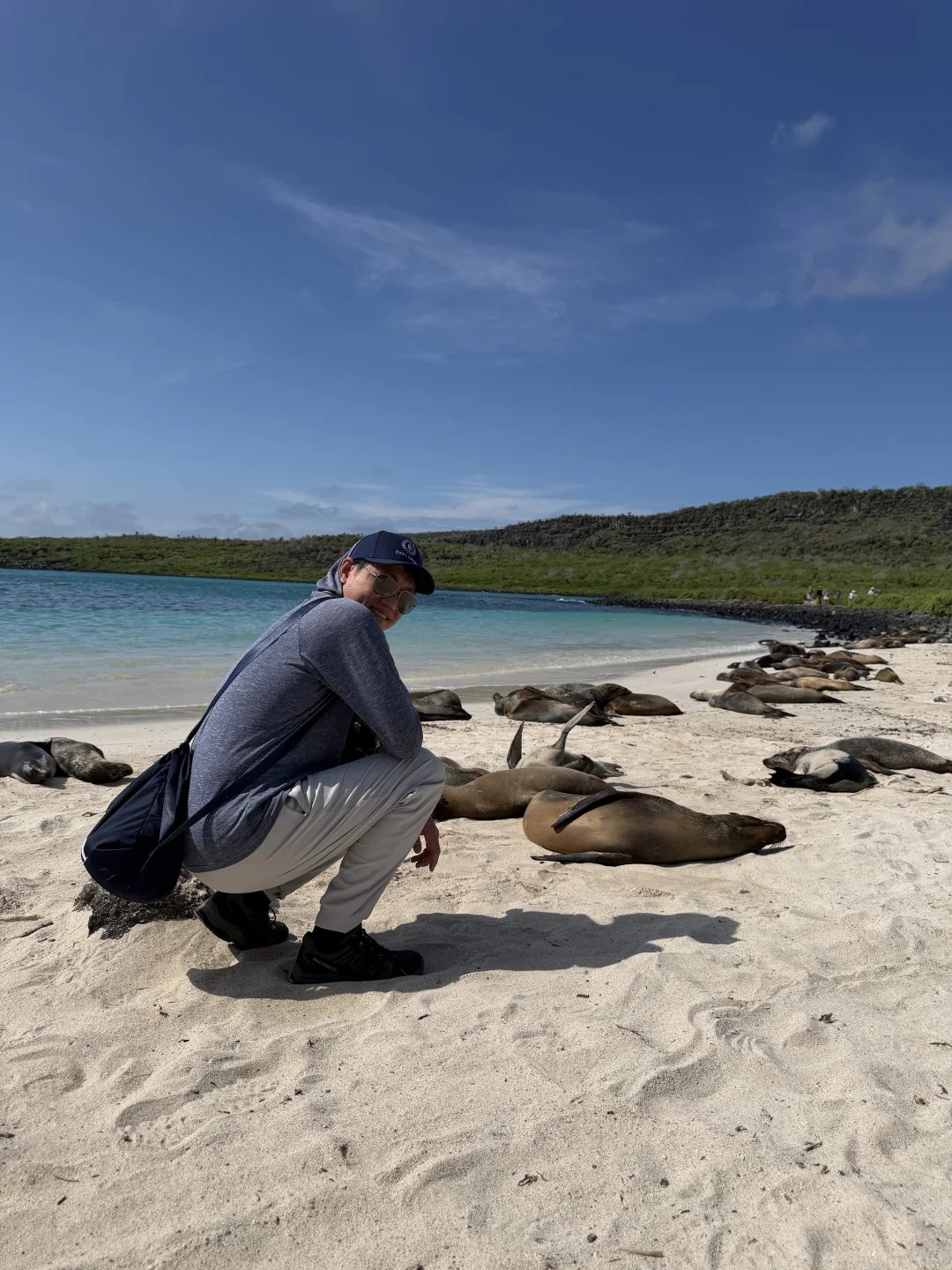
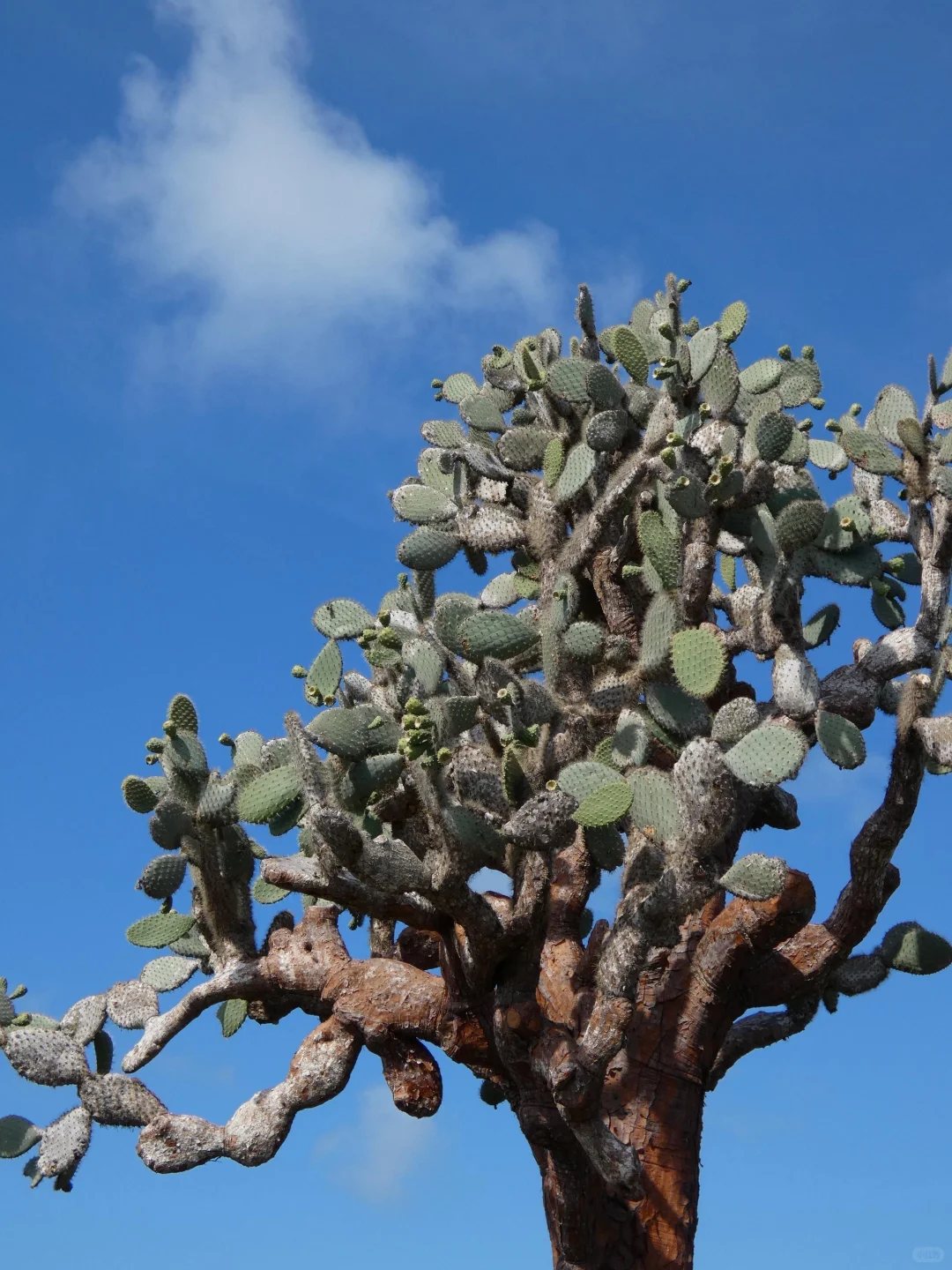
Day 4: crouching beside a 100-year-old tortoise
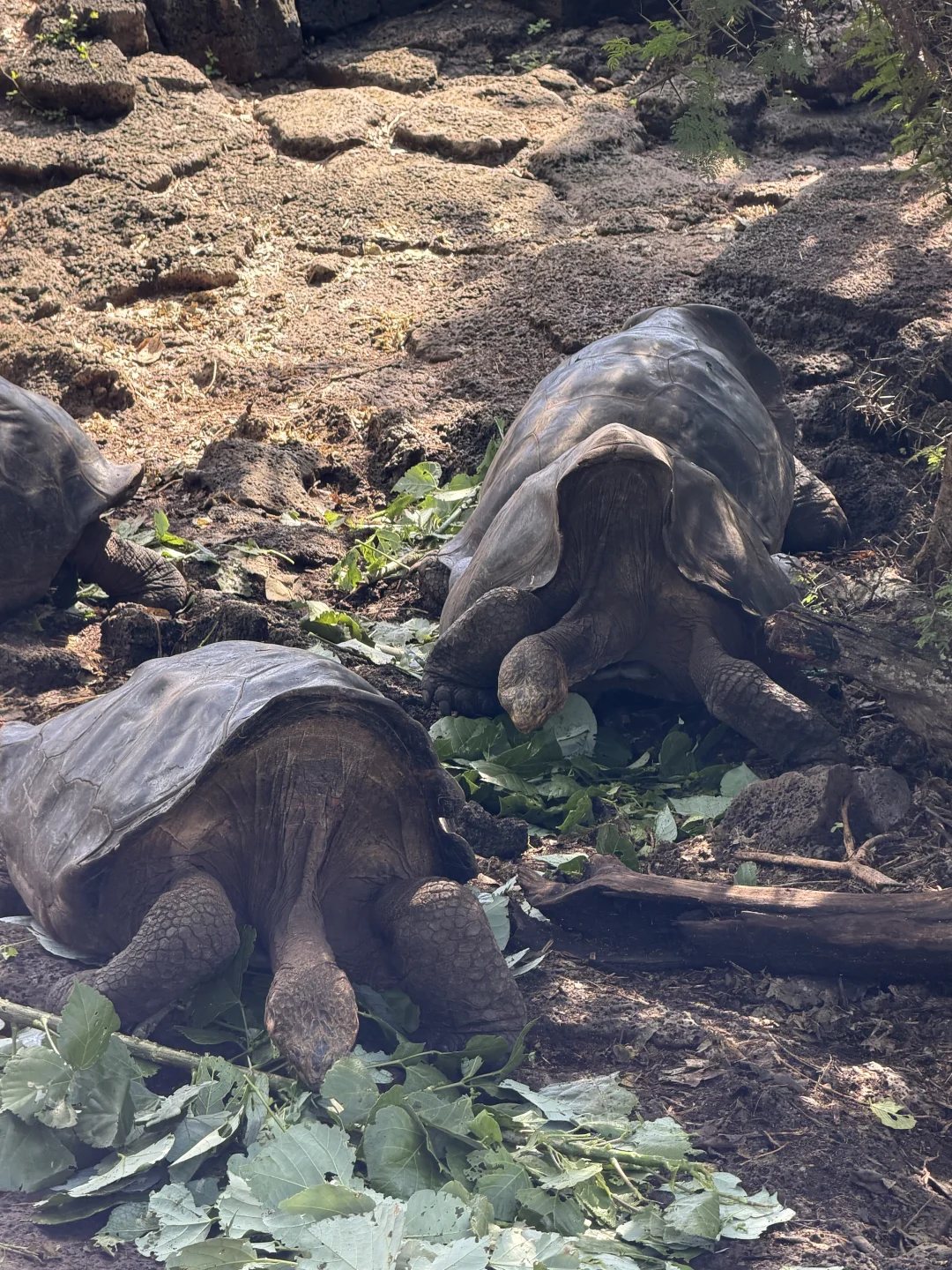
The Santa Cruz highlands, and five wild Galápagos giant tortoises. The largest I put at 440 pounds, with a shell five feet long. It was grazing slowly in the grass. I crouched ten feet away; it looked at me once and went back to the grass.
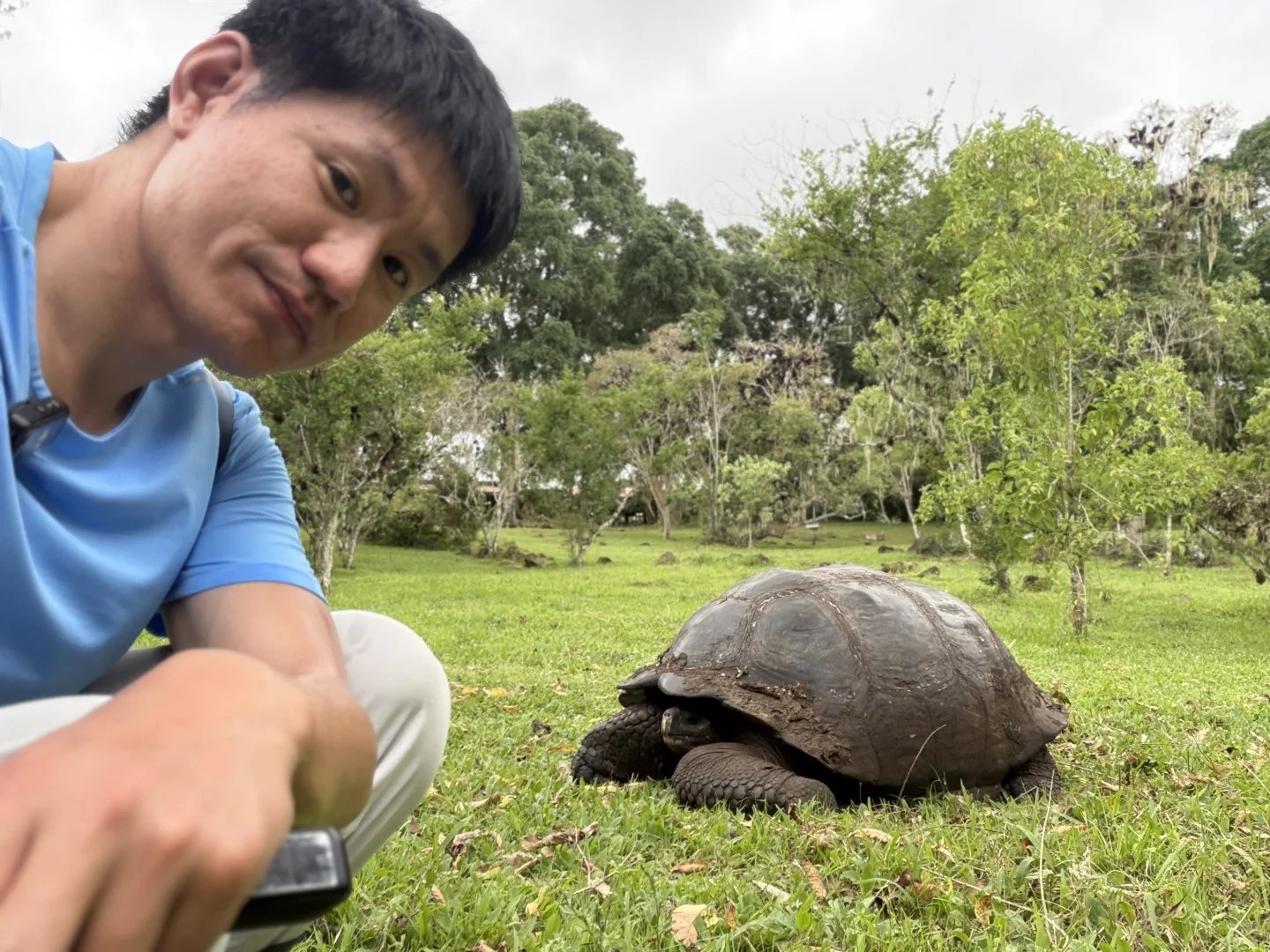
- They live past 100 on average; the longest recorded lived 175 years
- In the 19th century, pirates and whalers loaded them aboard as “living canned food” — they survive six months without food or water. In the last hundred years the population fell from 250,000 to 15,000
- The islands once had 15 subspecies; five are extinct, including Lonesome George, the last of Pinta Island, who died in 2012
- They are the islands’ namesake. “Galápagos” is Spanish for tortoise shell: they were here first, and the islands were named for them
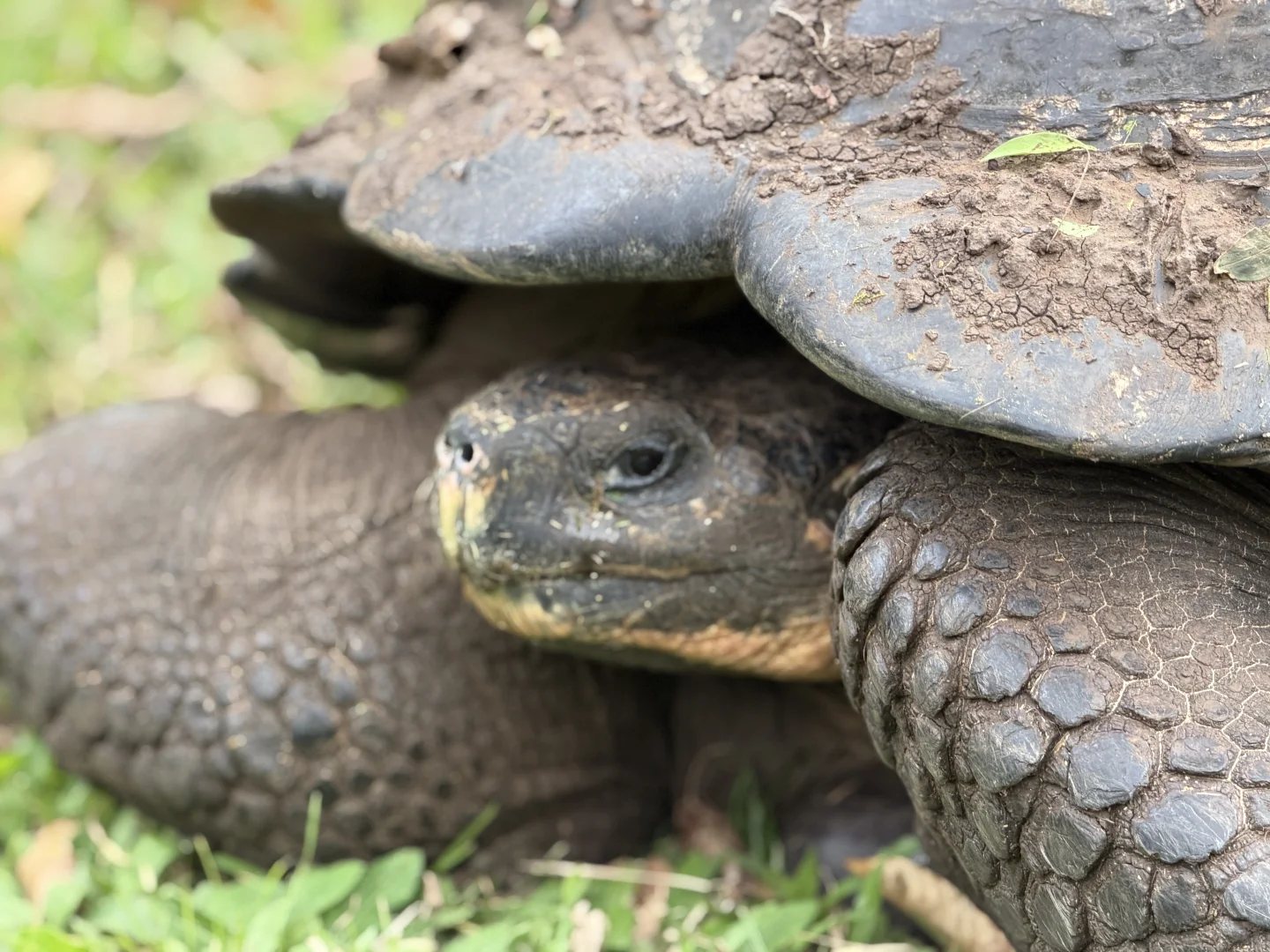
In the afternoon, at the Charles Darwin Research Station, this year’s hatchlings — shells barely two inches long. A hundred years from now I will be gone, and one of them may still be here, slowly chewing grass.
Day 6: a bird that lays one egg a year, and I photographed it
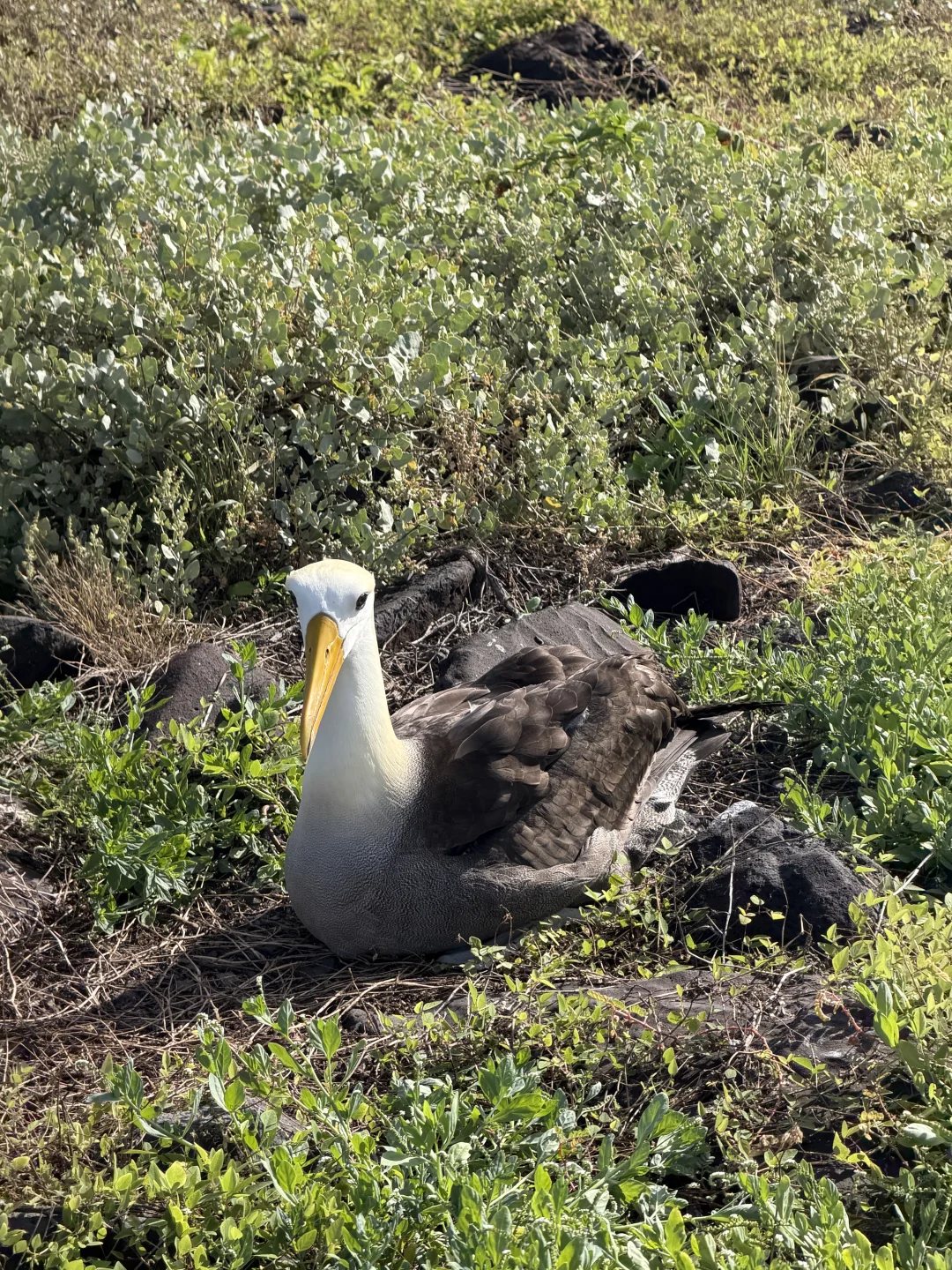
Punta Suárez on Española: the waved albatross, Phoebastria irrorata, also called the Galápagos albatross. An eight-foot wingspan, the largest bird in the islands. But the facts are what get you:
- Ninety percent of the world’s waved albatrosses breed on Española and nowhere else
- They mate for life — 40 to 45 years, one partner for thirty of them
- One egg a year. I photographed it, lying in a crack in the lava at the cliff edge: no nest, no protection
- It is the only bird known to “kick” its egg — the female rolls it a meter or two back and forth with her bill, and scientists still do not fully know why, possibly to regulate temperature
- IUCN critically endangered: about 35,000 pairs worldwide, and this 60-square-kilometer island is their only breeding ground
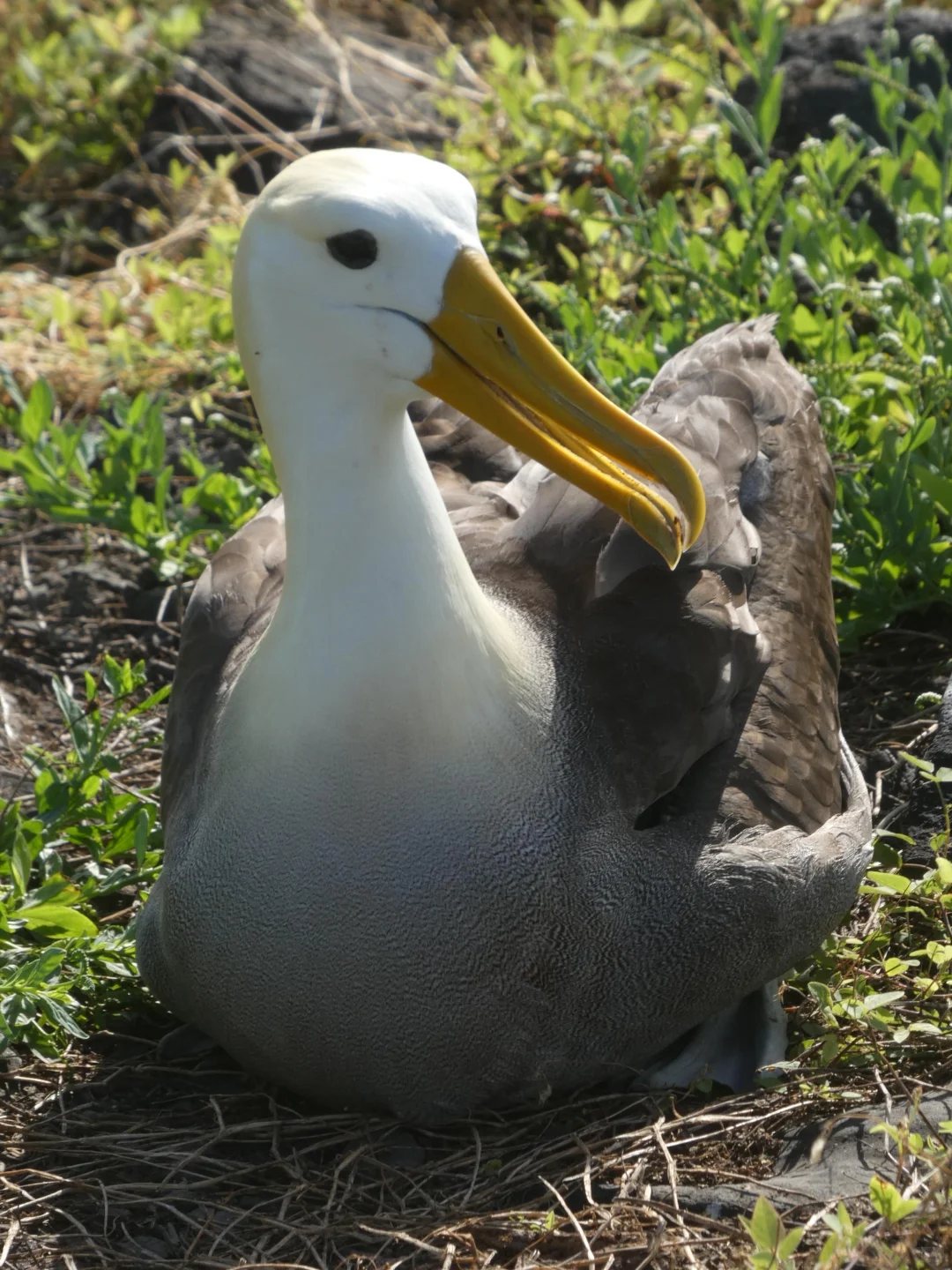
At the cliff edge I watched their courtship dance: male and female face to face, clacking bills like two fencers, then throwing their heads back to cry at the sky. Comic and solemn at once. They have been doing this for tens of thousands of years.
Day 8: luxury is scarcity
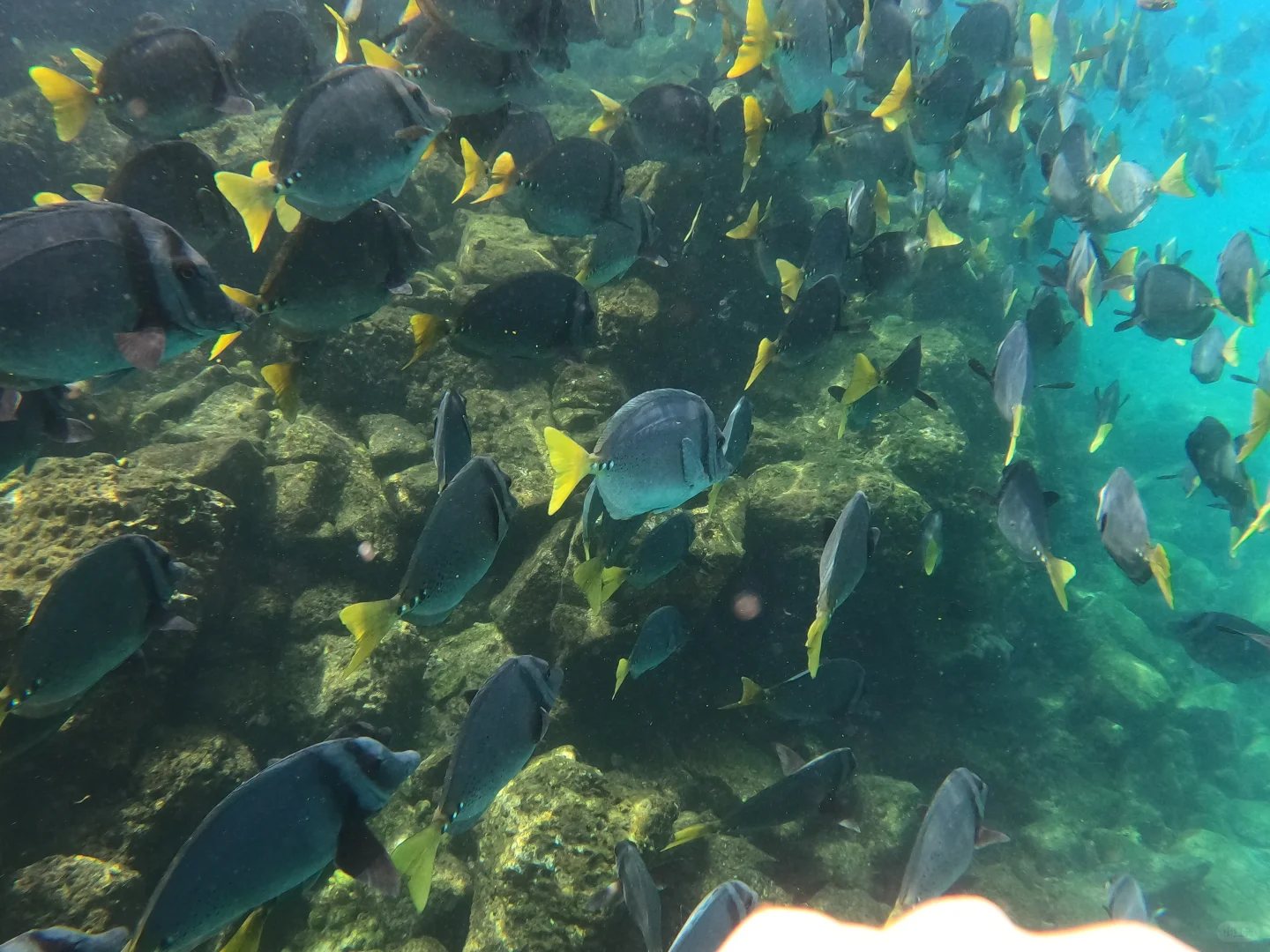
People ask whether the Galápagos counts as a luxury destination. My answer: luxury is not Aman, and it is not Bulgari. Luxury is seeing what 99% of the people on this planet never will. And the most luxurious thing in our time is scarcity.
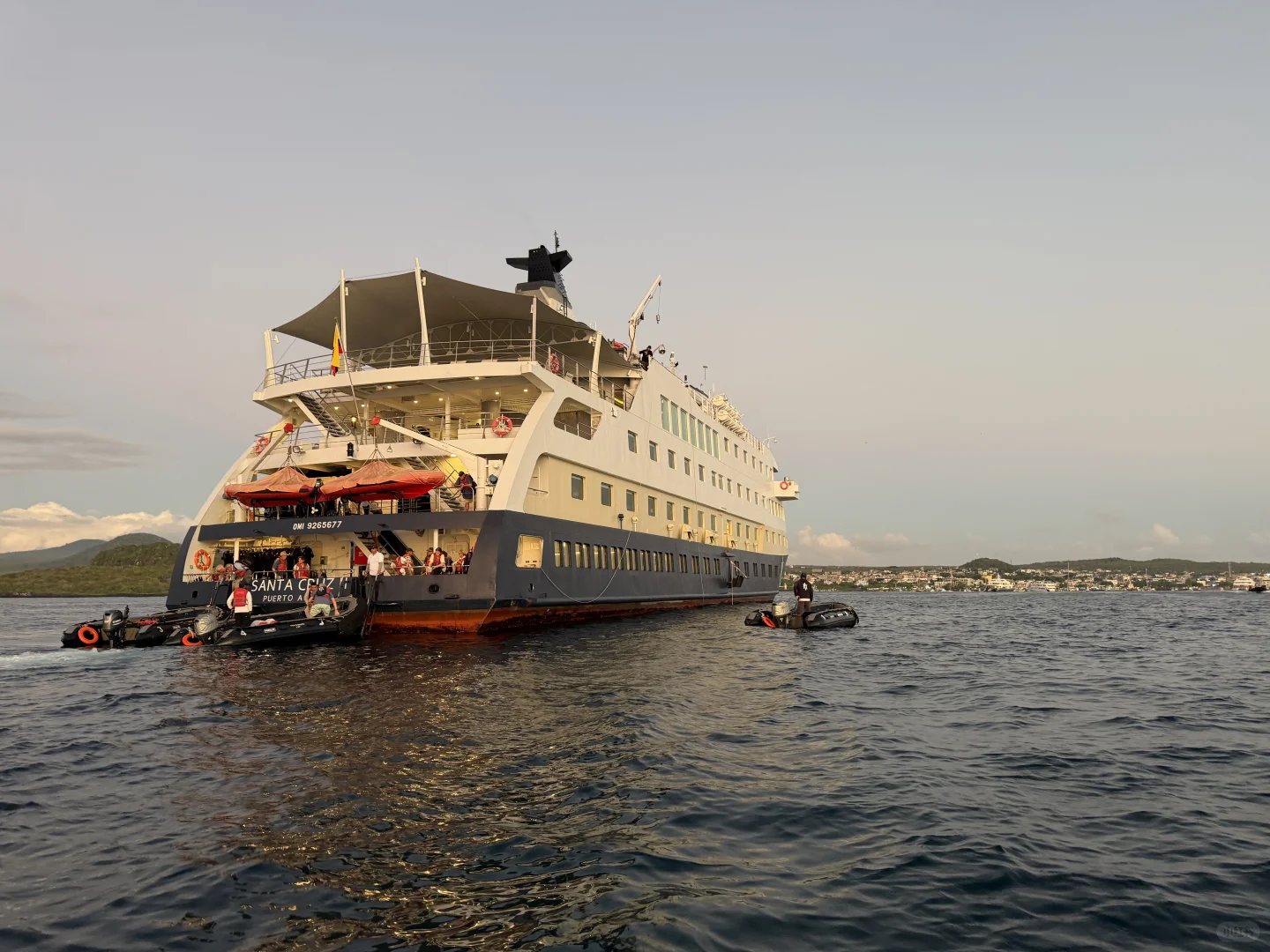
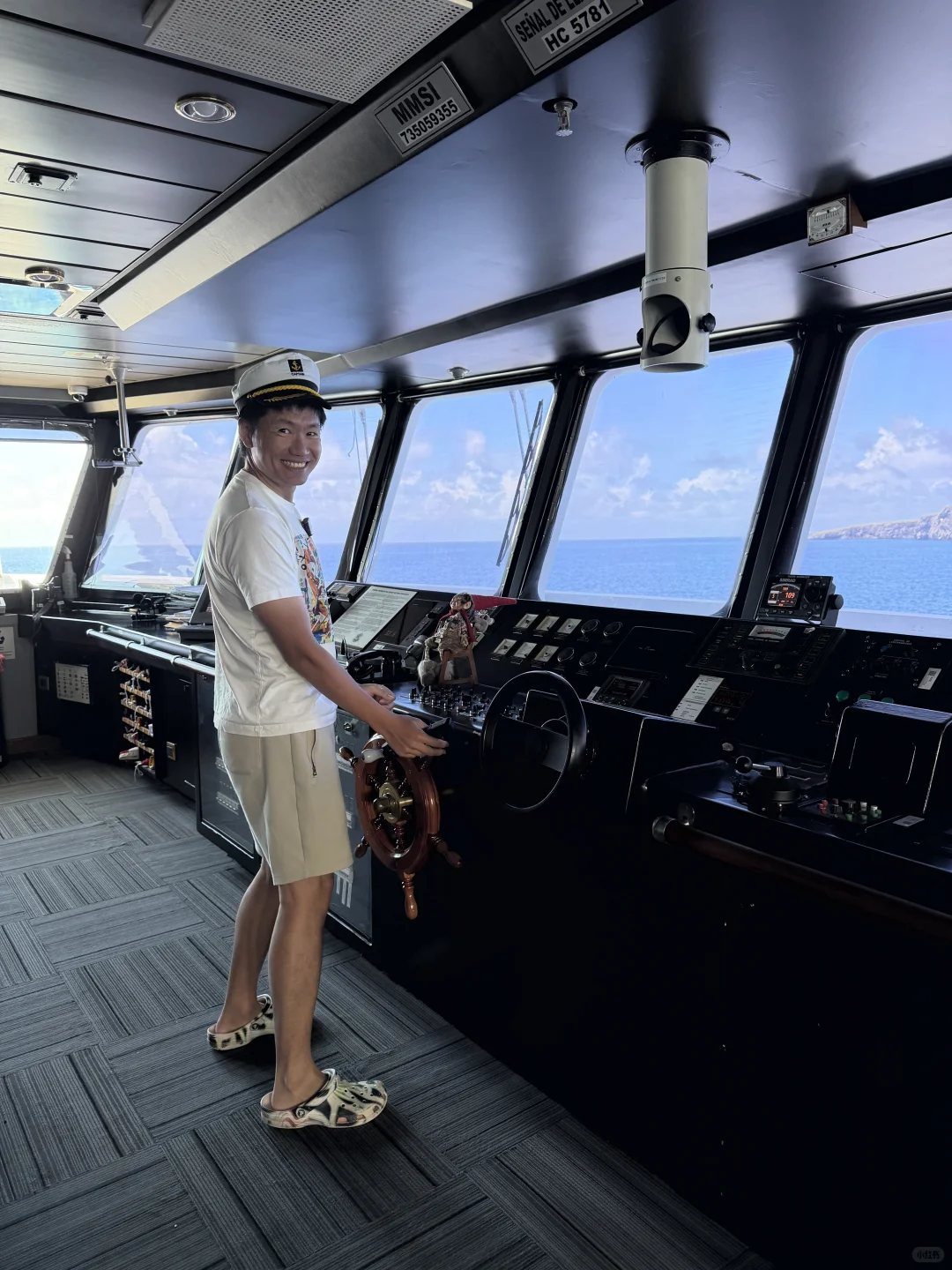
I fly home tomorrow, but the Galápagos is not leaving me.
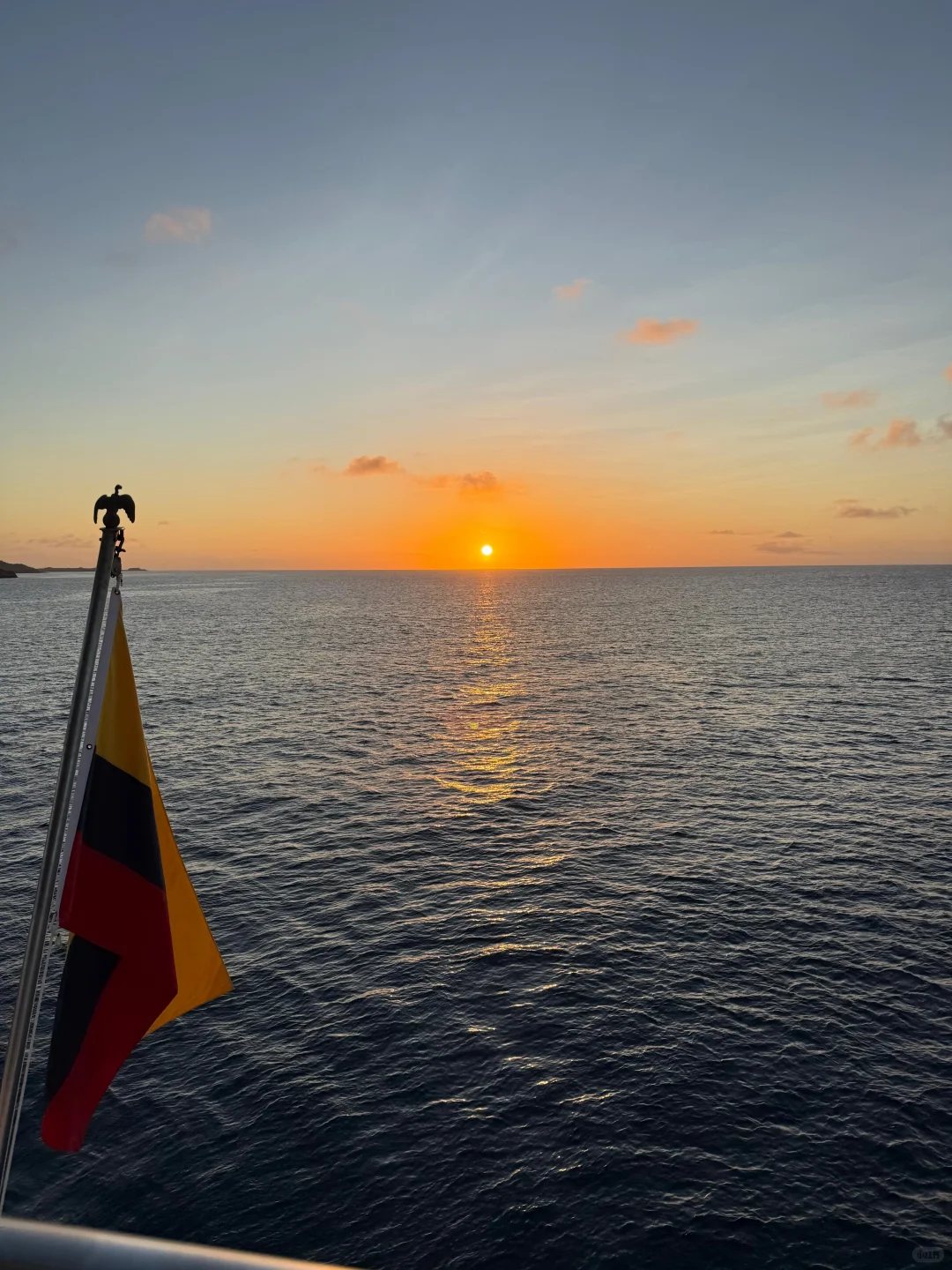
How to do it
Doing the Galápagos on your own is hard: the islands are spread out, each has its own landing rules, and the best landing sites are largely locked up by the expedition ships. I sailed with HX on the Santa Cruz II — eight days, seven nights, a new island every day, with landings, snorkeling and English-speaking naturalist guides all included. For the money, it is the itinerary with the most serious landing sites. Book well ahead for high season. I am already planning a second trip with my parents.
If the Galápagos is on your list, write to me. Which ship, which cabin, which season and which island route — I will walk you through all of it at once.
All photographs are my own, taken in May 2026 aboard HX’s Santa Cruz II.
Jay Yan · FlyBest